Why a Small Project Can Give an Afternoon a Shape
A small project can give an unplanned afternoon direction without turning leisure into a chore, with practical ways to choose a satisfying scope.
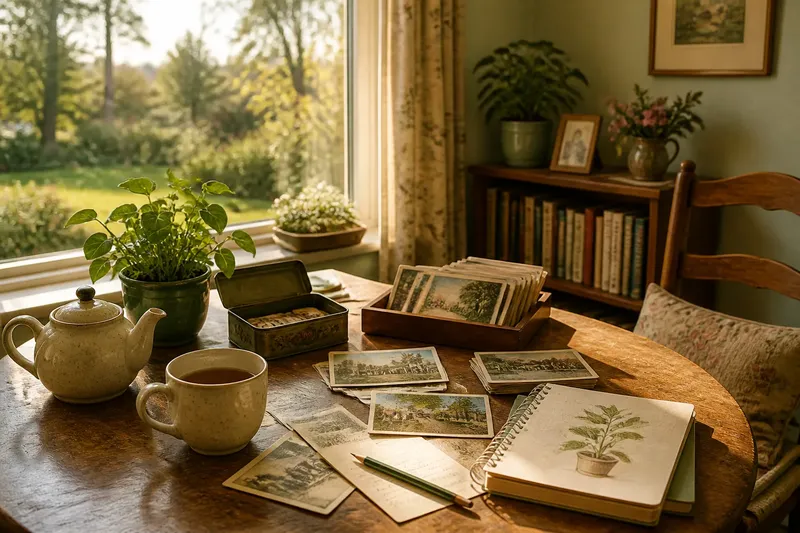
The kitchen table is clear, the kettle is warm, and the afternoon has no appointment attached to it. A small project can give that open stretch of time a shape: not a schedule to obey, but a reason to begin and a natural place to stop.
For later-life leisure, the useful word is small. A project might be sorting a handful of recipe cards, sketching the view from one chair, or mending a loose button. Its value lies less in the finished object than in having chosen what to attend to for a while.
A project gives free time a gentle direction
Unstructured time can feel restful, but an entirely blank afternoon can also leave you wondering what to do next. A self-chosen project supplies a modest answer. It gives attention somewhere to settle without requiring the whole day to be planned.
That direction can be especially pleasant because it belongs to you. You can pick something for its texture, color, usefulness, or simple familiarity. There is no need for the result to impress anyone or to become a new hobby.
Think of the difference between “I should do something” and “I’ll see what I can do with these old postcards.” The second thought offers a visible starting point. It also leaves room to change your mind once you begin.
Choose a finish line you can see
A satisfying project has a boundary. “Organize the whole house” is a demand with no obvious stopping place; “put the postcards from one drawer in date order” is a task you can look at and assess. The smaller boundary helps an afternoon feel complete even if the larger collection remains untouched.
Useful finish lines are physical and easy to recognize:
- One recipe card rewritten clearly, with its source noted.
- A single shelf dusted and arranged around the books you reach for.
- A small sketch of a houseplant, with one detail shaded.
- A loose button sewn back on a shirt, if the repair is comfortable and familiar.
- A few seed packets sorted by the season named on their labels.
These are not quotas. If the task takes less time or less effort than expected, you can stop with the result you have. If it turns out to be more involved, the boundary gives you a sensible point to pause rather than a reason to push through.
Let materials and energy set the scale
Before choosing a project, notice what is already within reach. A pencil and a scrap of paper make a different invitation from a box of supplies that needs to be carried upstairs. A manageable setup often matters more than an ambitious idea.
Consider the kind of attention you have that day. If reading small print feels tiring, sorting objects by color may be more comfortable than labeling them. If sitting still is unappealing, watering a few pots or arranging flowers can bring a little movement into the afternoon. The point is not to judge your energy, but to select a project that fits it.
Keep the opening simple. Put the needed materials together, clear enough space to work, and leave anything optional aside. A project that begins with a long search for tools can lose its easy appeal before the first useful action.
Use a stopping point, not a deadline
Leisure can begin to feel like an obligation when a project acquires a schedule, a perfect standard, or a demand to keep going. Instead, choose a stopping cue. You might stop when one page is filled, one small area is sorted, or the tea has cooled. A cue makes it easier to enjoy the work without treating the afternoon as a productivity contest.
Say you find a tin of buttons and decide to sort just the buttons that have come loose from clothing. You spread them on a saucer, match a few to garments, and place the remaining buttons in a small envelope. The expected visible result is a short list of useful matches and a tidier tin; if you tire before finishing, the saucer can hold the unsorted group for another day.
That pause is part of the design, not a failure to complete the project. Leave a brief note about what remains, or put the materials in one place where they are easy to find. Then you can return if you wish, without asking your memory to hold the whole plan.
Make the project personal without making it precious
A project often feels more inviting when it connects to a small detail of ordinary life. You might copy a favorite family recipe into a notebook, arrange a few shells collected on a past walk, or draw the pattern on a familiar teacup. Personal meaning can make a modest task feel worth choosing, but it does not require a grand story or a polished result.
Keep room for experimentation. A recipe note can include “less salt next time” rather than a carefully designed page. A sketch can remain in pencil. A collection can be arranged in a way that pleases you today, even if you rearrange it later.
If you want company, the project can still stay small. A friend might bring a handful of recipes to compare, or sit nearby while each of you works on a separate page. Shared time need not turn into a joint undertaking with extra decisions and expectations.
Which small project fits this afternoon?
What counts as a small project?
It is an activity with a clear starting point and a finish line you can see, such as sorting one drawer of postcards or mending one familiar item. It can be useful, creative, or simply pleasing to handle.
What if I do not finish?
Choose a place to pause and leave a short note about the next action, if you want to return later. The afternoon can still feel well spent because you gave it attention and made a choice.
How do I keep a project from becoming a chore?
Keep the scope optional, avoid adding a deadline, and stop when the work ceases to feel welcome. If the project starts collecting extra tasks, set those aside rather than enlarging the original plan.
Can a project be restful if it involves effort?
Yes, if the effort suits your mood and the task does not demand more than you want to give. Repetitive, familiar actions may feel calming for one person, while another may prefer a brief creative activity.
Let the result be modest and enough
A small project can give an afternoon a shape without needing to fill every quiet hour. Choose one clear piece of work, make the materials easy to reach, and decide where a pause would feel natural. If you finish, enjoy the visible change; if you stop partway, you have still made a considered place for your attention.
The next time an open afternoon arrives, pick something that can be started where you are. A single page, shelf, plant, or handful of objects is often plenty. The freedom to stop is what keeps the project a pastime rather than another assignment.