Museum, Garden or Historic House: Choosing a Day Out by Its Pace
Choose a museum, garden or historic house day out by its pace, with practical ways to weigh walking, sitting and attention before you leave.
A museum, garden or historic house day out can sound equally appealing over breakfast, then feel very different once you are there. One asks you to follow labels and rooms; another invites you along paths and benches; a third may combine both with stairs, narrow passages or guided rooms. Choosing by pace—not prestige or popularity—helps you match the visit to the kind of day you want.
Think about three things before you go: how much walking feels comfortable, how often you want to sit, and how much concentration you have to spare. The best choice is not necessarily the place with the most to see. It is the one whose rhythm leaves room for enjoyment rather than making every moment feel like keeping up.
A museum suits a day of focused looking
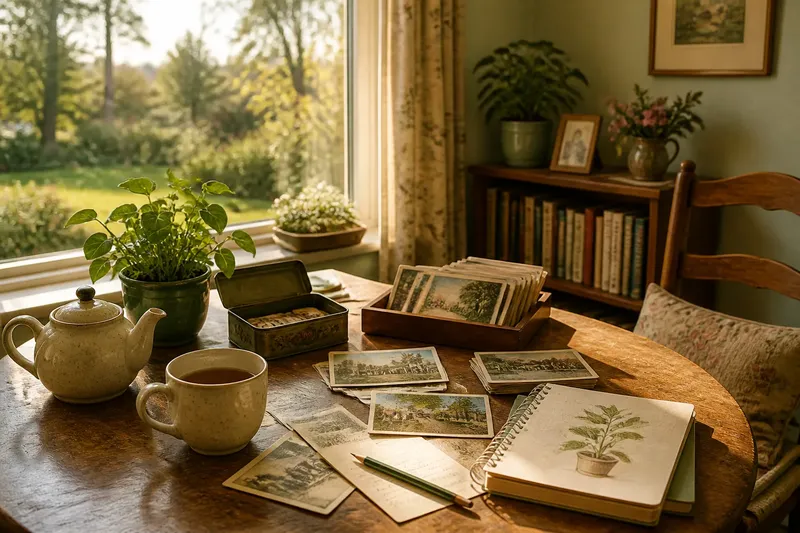
Museums generally organize a visit around indoor galleries and objects, with information to read or listen to along the way. That can make them a good fit when you want a clear subject to engage with, such as paintings, local history, trains or natural science. The experience can be quiet and absorbing, but the mental pace may be higher than the physical one.
Walking depends on the building and exhibition. Galleries may be close together, or the route may stretch across several floors. Benches, cafés and coat storage vary, so check the visitor information before setting out if those details affect your comfort. An audio guide can replace some reading, while a small notebook lets you jot down a name or idea without trying to remember every detail.
A museum works especially well when you would enjoy spending time with a few exhibits instead of seeing everything. Choose a subject you already find interesting, or look for a display with a clear theme. If long stretches of reading tire you, give yourself permission to skip text panels and respond to the objects themselves.
A garden suits a day shaped by fresh air and pauses
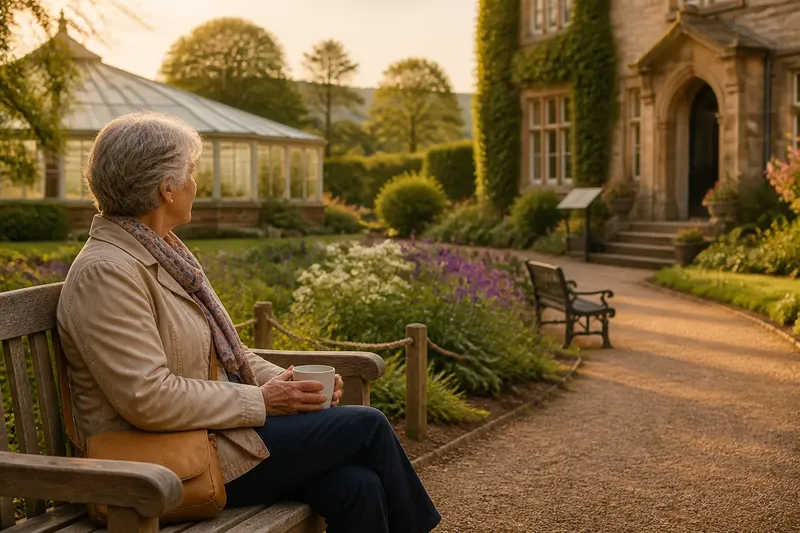
A garden visit often offers a gentler kind of attention: noticing a path, a planting scheme, birdsong or the change from an open lawn to a shaded corner. You can keep moving, stop to look, or settle on a bench. That flexibility makes gardens appealing when you want the outing to feel spacious rather than tightly scheduled.
Outdoor routes can still involve uneven ground, slopes, exposed weather or longer distances between places to rest. Look at the garden’s map and access information, including whether paths are paved and where seating is located. A compact formal garden may feel easier to navigate than a large landscape garden, but the site’s own details matter more than its label.
Bring a light layer, water and shoes suited to the paths, and decide whether you would rather wander freely or follow a marked route. If plants are the main attraction, a seasonal garden calendar can help you choose a visit that matches your interests. If you mainly want a pleasant place to sit outdoors, prioritize shaded seating and a café or sheltered area.
A historic house suits a day of close observation
A historic house offers rooms, furnishings and domestic details that can make the past feel tangible. The visit may move through a set route, with guides or labels drawing attention to how people lived and worked. It is a good option if you like noticing small details—an old kitchen tool, a worn stair rail, a garden view framed by a window.
The pace can be less predictable than a museum gallery. Some houses have narrow corridors, stairs or limited places to pause, and guided tours may move at a set speed. Others let visitors explore at their own pace. Before choosing, check whether the route is guided, whether seating is available, and what access arrangements the property describes.
Historic houses suit visitors who enjoy atmosphere and specific stories more than broad collections. They may also pair naturally with a garden or café on the same site, giving you a quieter second part of the outing. If a guided tour sounds demanding, ask whether there is a self-guided option or a shorter visit route.
Compare walking, sitting and attention before choosing
Use the outing’s likely demands rather than its reputation as your guide. A useful comparison looks like this:
- Museum: walking varies by building; sitting may be available in galleries or public areas; attention often goes toward objects, labels or audio.
- Garden: walking depends on route and terrain; sitting is part of the experience where benches are provided; attention can be relaxed and sensory.
- Historic house: walking may follow a set route and include stairs; sitting can be limited in rooms; attention often centers on details and stories.
These are tendencies, not promises. A museum may have a restful sculpture garden, while a garden can be expansive and tiring. A historic house may offer a short, seated talk. Check the specific venue’s map, access notes, tour format and facilities, then picture the visit from arrival to leaving.
Say you want an outing after a busy week, and you would enjoy being outside but do not want a long walk. Imagine checking a botanical garden’s map and seeing a short loop, benches near the entrance and a café beside the glasshouse. You might choose that garden, plan to visit just the glasshouse and nearby beds, and leave the longer paths for another day; the expected result is a visit with fresh air and room to rest, rather than pressure to cover the whole grounds.
Which outing fits the day you have in mind?
Which is easiest if I want to sit often?
Start with the venue that clearly lists seating near the areas you want to visit. Gardens often make pausing part of the experience, while museums may offer benches in selected galleries; confirm the particular site’s facilities before you go.
Which is best if I prefer a short visit?
A museum with a compact exhibition or a historic house with a short self-guided route can be easy to shape around a brief visit. Check the map or route description, and choose one area to see rather than treating the full site as a requirement.
Which asks for the least concentration?
A garden may suit a day when you want to notice color, shade and birds without reading much. Some museums and historic houses also offer a relaxed visit, but their labels or tour narratives may ask for more sustained attention.
What should I check before leaving home?
Look for the visitor map, seating, walking surfaces, stairs, accessible facilities, tour arrangements and café details. If any requirement depends on a venue’s current rules or instructions, follow the information provided by that venue.
Choose a pace, then leave room to change it
Before you set out, name the kind of energy you want the outing to have: focused, open-air or story-led. Then choose a realistic portion of the venue and identify a place to pause. That small decision makes it easier to enjoy what catches your attention without feeling you must complete a route.
For a museum, that might mean one gallery and a café. For a garden, it could be a short path and a bench. For a historic house, it may be the rooms with the strongest pull for you, rather than every stop on the tour. Keep the plan flexible enough that you can shorten it or linger.
A museum, garden or historic house day out is most rewarding when its pace matches your own. If you are unsure, choose the venue with the clearest route and the easiest places to rest, and treat a return visit as an option rather than a task. The day can end when you feel ready, even if there is still more to see.