A Rainy Afternoon, Built Around One Shared Game
Plan a rainy afternoon around one shared game, with a simple setup, clear rules, and easy ways for everyone to join at their own pace.
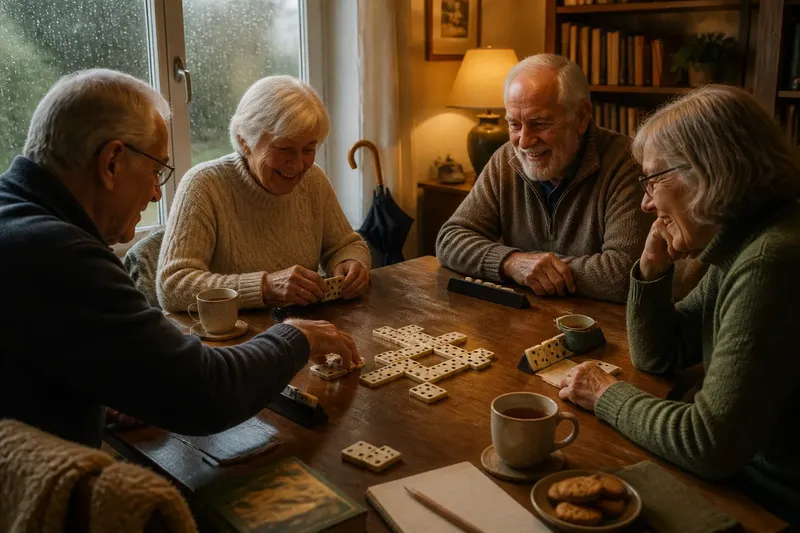
Rain taps the window as a friend sets a damp umbrella by the door. If you are planning a rainy afternoon shared game, one well-chosen activity can give the visit a focus without turning it into a scheduled event.
The trick is to make the game easy to start and easy to pause. A little preparation helps everyone see what to do, while the game itself can take whatever shape the group enjoys.
Choose a game that fits the people coming
Start with the guests, then look at the shelf. Familiar cards or dominoes may be a comfortable choice for people who like to chat between turns. A cooperative game can suit a group that would rather work toward a common goal than compete. A word game may appeal to people who enjoy coming up with answers aloud.
Before settling on one, check the practical details and decide what to do with each result:
- Rules: If the basic turn is easy to explain in a few sentences, use the game as written; if it takes a long explanation, choose a simpler game or agree to learn only the basic version.
- Group size: If everyone can take a turn without a long wait, invite the whole group to play; if not, choose a game that supports partners or let people join for a later round.
- Pieces: If the cards, tiles, or tokens are easy for guests to see and handle, set them out; if they are awkward or too small, pick another game or use larger, clearer materials.
- Pace: If the game allows conversation and pauses, keep it as the main activity; if it demands continuous attention, choose a more relaxed alternative.
- Experience: If most guests know the game, start with a regular round; if it is new to the group, demonstrate a sample turn and begin with a practice round.
- Competition: If everyone enjoys keeping score, use a score pad; if winning may make the mood tense, skip the score and focus on playing together.
These checks help you choose a game that is inviting in practice, not merely appealing in its box. Keep a backup in mind, such as a familiar deck of cards, in case the first choice proves hard to explain or use.
Make the table easy to use
A dining table or a broad coffee table can work. Clear a space for the game, keep mugs away from the pieces, and place anything people need within comfortable reach. A lamp helps on a gray day; a steady chair is more practical than a low seat if someone has trouble getting up.
Set out only the pieces needed to begin, along with the rulebook and a pencil if the game uses a score sheet. If cards or print are difficult to see, add a brighter lamp or choose a game with larger pieces. Make the adjustment before guests arrive so nobody has to ask for a change once play begins.
Start with a short demonstration
Explain the goal, what a player does on a turn, and how a round ends. Show one move as you describe it. Leave unusual rules for the moment they matter, and check the rulebook together if a question changes how the game works.
Imagine you have invited a neighbor who has never played your favorite card game. You explain the aim, demonstrate one turn, and suggest a practice round without keeping score. The neighbor can try the moves before committing to a full game; if the rules still feel confusing, you can switch to the familiar dominoes already on the table.
For a casual game, agree in advance on how to handle small uncertainties. If a rulebook answer is easy to find and matters to everyone, look it up; if the detail is minor, settle on one interpretation for that round and move on.
How can you keep the game comfortable for everyone?
What if someone would rather not play?
Offer watching, keeping score, or joining a later round as ordinary choices. If the guest prefers to sit out, let the game continue without asking them to justify it.
What if people learn at different speeds?
Use a practice round and explain each new rule when it comes up. If someone is still unsure, pair them with a willing player or return to a game the group already knows.
What if the game starts to feel tiring?
Pause between rounds and ask whether the group wants another. If interest has faded, put the pieces away and let conversation or tea take over.
How should you handle a disputed rule?
Check the printed rules if the answer affects the play. If the point is minor, agree on a simple ruling for the current round and use the rulebook before the next one.
Let the afternoon follow its own rhythm
Say the guests arrive with a deck of cards, a score pad, and two mugs of tea on the table. You explain a familiar game, play one round, and notice that the group is enjoying the conversation more than the score. You set the pad aside and continue without recording points. The observable result is a game that can carry on without making scorekeeping the focus; if someone later wants a clearer finish, the group can keep score in the next round.
Leave time for breaks, and avoid adding another activity just to fill a quiet moment. A snack or a short pause can fit naturally, but the game does not need to occupy every minute or create a special occasion.
A rainy afternoon shared game works best when the setup serves the people at the table. Keep a lamp, a clear playing space, and a familiar backup game handy; those small choices make it easier to adapt if the group wants a different pace.